
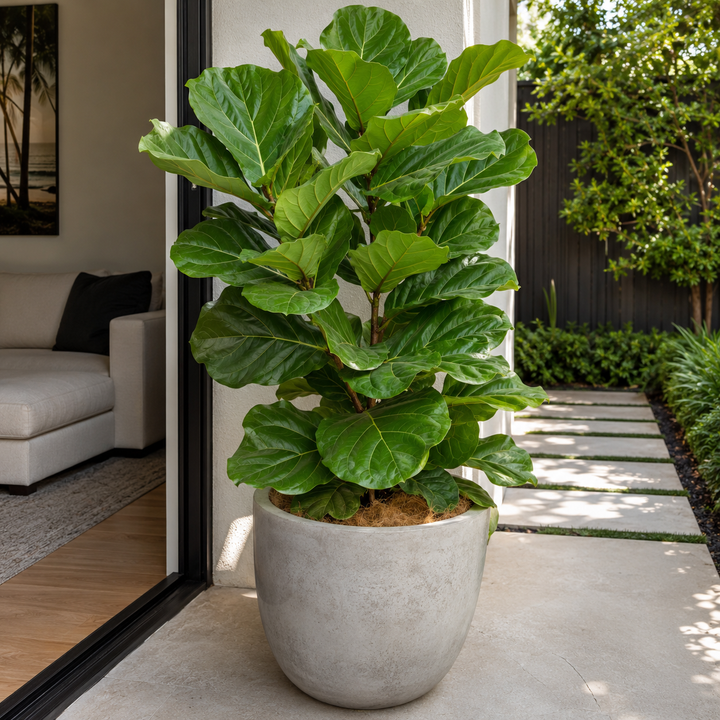
Fiddle Leaf Fig
Ficus lyrata
From $16.95
Plant collection
Twenty-three listings, and none is an edible fig. Brown Turkey and the other Ficus carica sit in fruit trees. The rest split four ways: nine listings of Ficus microcarpa, five native figs, eight for a room, one wall climber.
Seedling hillii is the base plant, fast and vigorous. Ficus microcarpa Flash is denser and glossier, pushes bronze new growth and recovers quickly after a cut, so it takes most of the formal work. Upright is the columnar one, for a narrow setback where the screen must go up not out. Ficus microcarpa Green Island is different: thick round leaves on a compact frame, a ball and low hedge plant despite the name.
Three arrive trained. Standards carry a clear stem under a clipped head; Ficus microcarpa Flash Pleached is a flat panel above a trunk, screening an upper window without taking bed width. Flash appears twice: across twenty grades from 200mm to 1000L, and again as Ficus hillii Flash in 30L and 90L only. They share the 90L, and that 30L is unique here.
Every fig here runs vigorous surface roots that lift paving, split kerbs, crack pool shells and find sewer joints. Clipping upstairs changes nothing below. Some councils restrict hillii. Plant in open ground well back from services, slabs and pool shells, or contain it in a planter behind a root barrier. Wear gloves; the sap irritates skin.
Moreton Bay fig and Port Jackson fig are parkland trees, stocked to 2000L and 1000L, for reserves and acreage where nothing gets dug or paved inside the root zone for a century. Port Jackson fig takes salt wind and thin sandstone soil, though psyllid lerps blister the leaves. Ficus obliqua runs both ways: planted out it is the same kind of tree, but a pot checks its roots indefinitely, so the 300mm grade is a terrace or indoor plant. At house scale, hedge with Ficus obliqua Figaro, dense without going hollow, or Ficus platypoda ST1 Kingston, the inland rock fig, which takes a tight root run. All five set figs, and ripe fruit stains paving and draws flying foxes, so keep them off paths, seating and parking, Figaro included.
Three are rubber plants, Ficus elastica: Burgundy near black, Tineke cream variegated, Ruby marbled pink and cream, colour that only holds in good light. Two are fiddle leaf figs, the full Fiddle Leaf Fig and Bambino, its dwarf form. Ficus benjamina clips into a ball or hedge and sheds in handfuls after any move. Ficus Alii Petite is narrow leaved and steadier when shifted. Midnight Beauty holds a very dark green and doubles as a garden screen.
All want bright light short of harsh sun through glass, and water once the mix dries on top. Sudden leaf drop traces to a draught, a cold snap or a pot standing in water. Cut stems bleed a sap that irritates skin and is not for a dog, a cat or a toddler to chew, so keep pots off the floor. Figs break from bare wood, so a head that has got away takes a hard cut in late spring.
Creeping Fig is the only climber, self clinging by rootlets that bond permanently to render, paint and mortar. Raw concrete or besser block you will never resurface, yes; a painted wall or a neighbour's fence, no.
Coastal Queensland, the Northern Rivers, Sydney, Perth and mild parts of Melbourne suit them. Frost limits the trees and the room figs, so at Orange or in the Southern Highlands keep those under cover; creeping fig is the exception and holds a wall through cool temperate winters. At roughly 800mm to 1000mm hedge centres, buy the 140mm or 200mm grade; Green Island starts at 125mm. Twelve listings offer a 300mm and nine a 400mm.
Choose from quality plants, compare options quickly, and use the filters to narrow the range by what matters most.
Ficus lyrata
From $16.95

Ficus Bambino
From $24.95

Ficus obliqua
From $109

Ficus Midnight Beauty PBR
From $22.95

Ficus Ruby
From $29.95
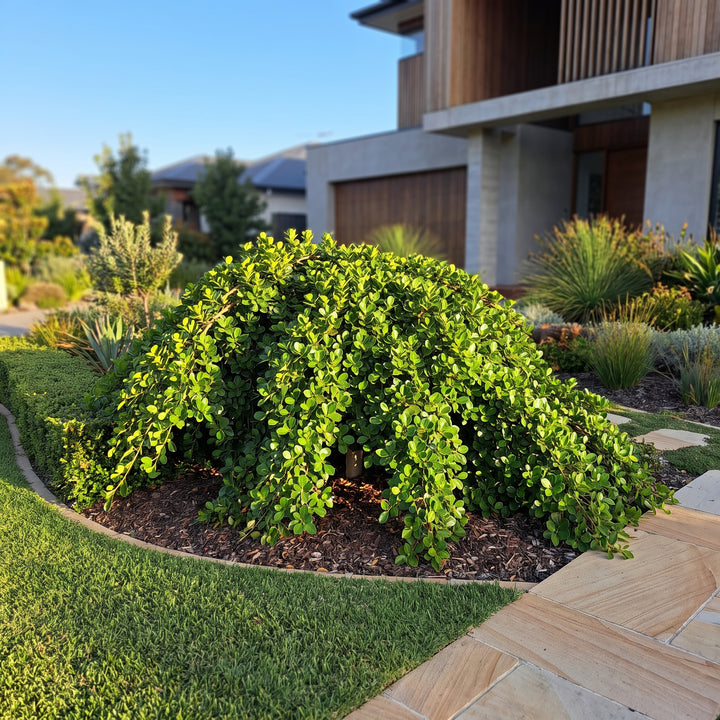
Ficus microcarpa Green Island (Ficus hillii)
From $16.95

Ficus Tineke
From $29.95

Ficus Burgundy
From $17.95

Ficus microcarpa Flash (Ficus hillii)
From $29.95
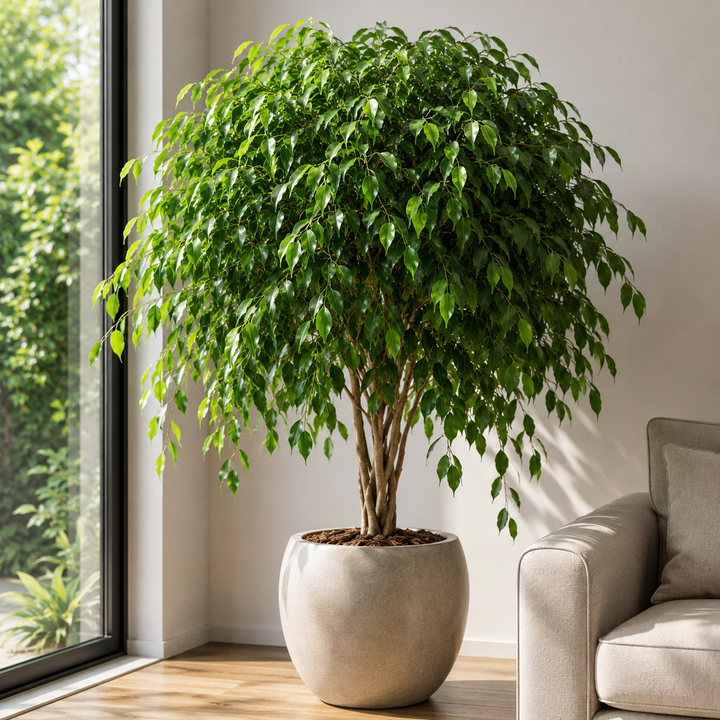
Ficus benjamina
From $19.95

Ficus pumila (Ficus repens)
From $16.95

Ficus macrophylla
From $30.95
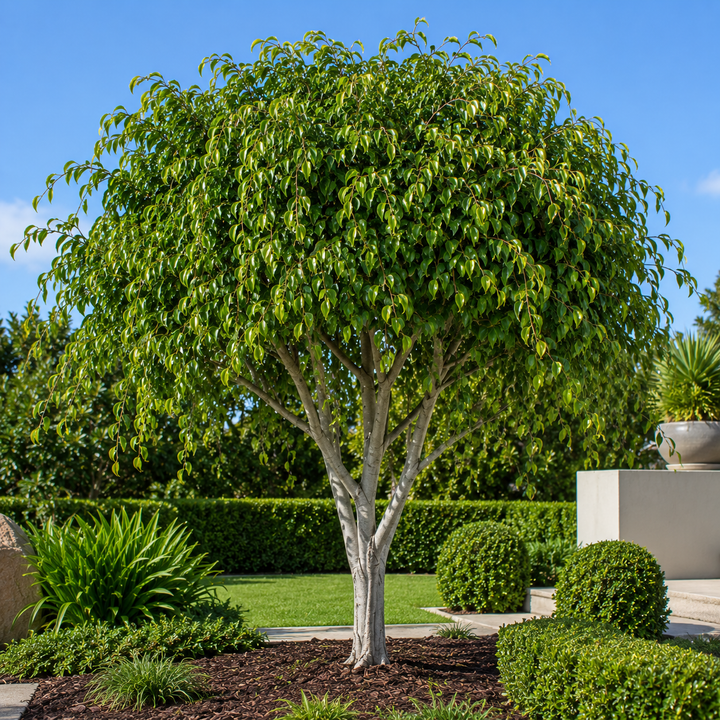
Ficus microcarpa hillii (Ficus hillii)
From $16.95
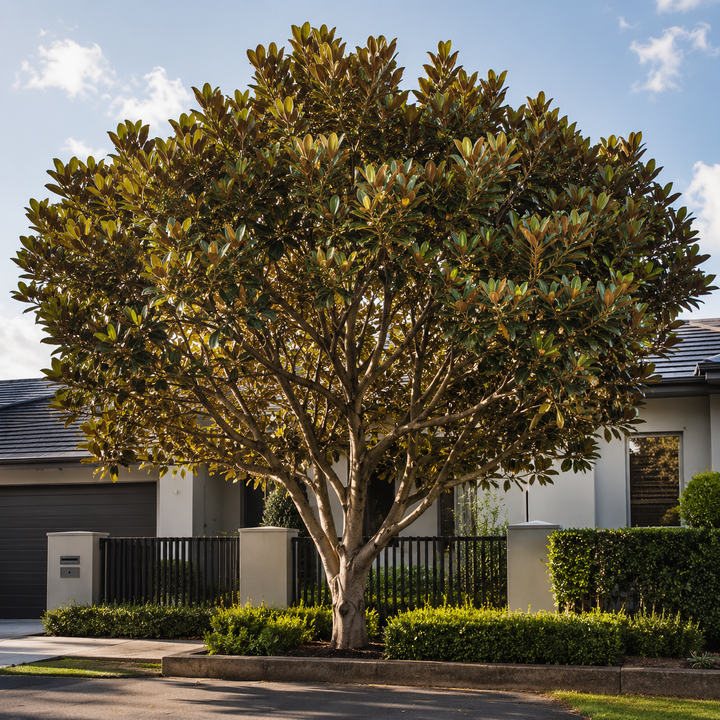
Ficus rubiginosa
From $149

Ficus platypoda ST1 Kingston
From $279
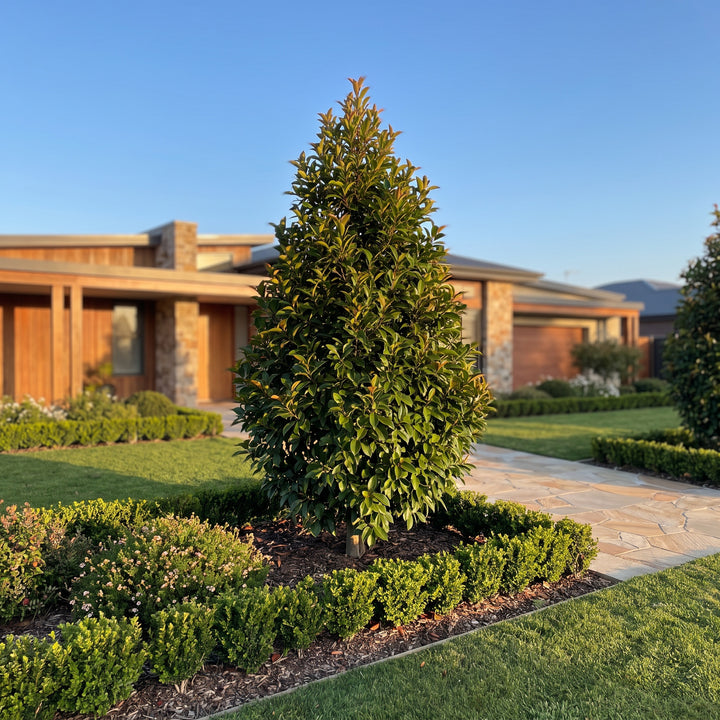
Ficus obliqua Figaro
From $449

Ficus microcarpa hillii Upright (Ficus hillii)
From $16.95

Ficus microcarpa hillii Standards (Ficus hillii)
From $109

Ficus microcarpa hillii Selection (Ficus hillii)
From $2,379
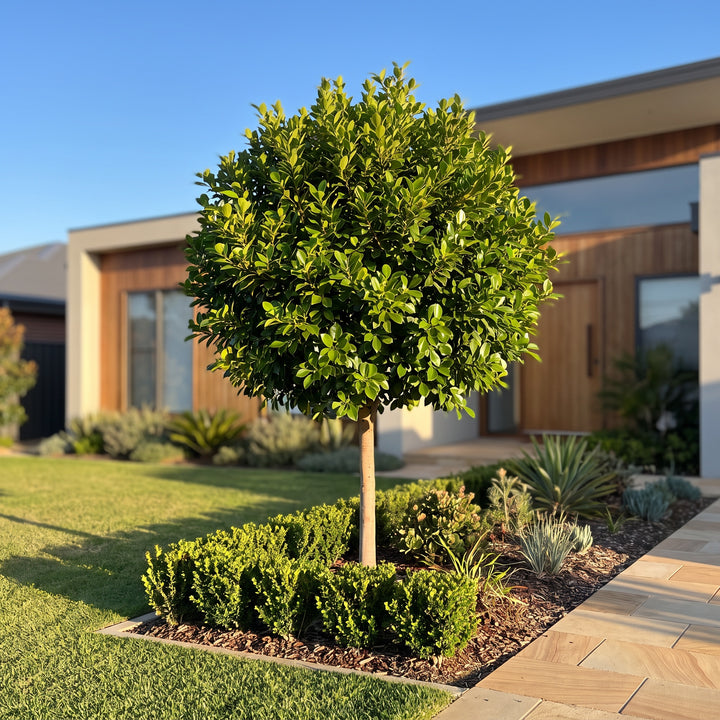
Ficus microcarpa Flash Standards (Ficus hillii)
From $50.95

Ficus microcarpa Flash Pleached (Ficus hillii)
From $139

Ficus hillii Flash
From $199

Ficus Alii Petite
From $23.95
Use this collection to compare plants by size, style, growing conditions, and the result you want to create. Whether you are upgrading a garden, styling a patio, adding privacy, or refreshing an indoor space, choosing from a focused collection makes it easier to find the right fit.
Before ordering, consider light exposure, watering needs, mature size, and where the plant will be positioned. These details help you choose plants that look good now and continue performing over time.
Shopping within a dedicated collection helps you focus on plants that suit a specific use, look, or garden goal. Use the filters and product details to compare options, then choose the plant that best matches your space.