

Sasanqua Camellia
Camellia sasanqua Wahroonga
From $16.95
Plant collection
Sixty-five camellia listings are here. Twenty-seven carry the Japanese Camellia name and twenty-one the Sasanqua Camellia name. The other seventeen carry neither prefix, which is a labelling habit rather than a third kind of camellia: most of them read as sasanquas or japonicas on their own product pages. Five are a second listing of a plant already here under its species name, and each of those species listings runs more sizes and starts below 5L: Setsugekka, Star Above Star, Beatrice Emily, Something Special and Desire. Thirteen of the seventeen offer 5L and nothing smaller, so look for the species listing of a cultivar before you settle on the bare one. The real outliers sit in this group too. Camellia hiemalis hiryu belongs to a third species group, neither japonica nor sasanqua. The tea plant is here. So are Fairy Blush and Cinnamon Cindy, lutchuensis hybrids with fine leaves and scent; Fairy Blush clips into a ball or a low line far more convincingly than japonica cultivars do.
Sasanquas are the part of the range bought for hedges, screens and walls. Colour is the easy part. Wood decides the job. Rose Ann builds firm, evenly made growth and holds a rounded shape with almost no correction, which suits a bed that will not get much attention. Jennifer Susan is soft and arching, laid flat along espalier wires or spilling over a pot rim, and it browns along its windward face on an exposed western boundary. Exquisite builds in tiers, so the flowers are held out along the stems where a footpath sees them. Egao is open by mid autumn, weeks ahead of the japonicas. Wahroonga stays compact and is grown only as 70mm and 200mm stock, so it is a courtyard or large pot plant.
Most japonicas get shaped rather than sheared, and the range reflects it. Nuccios Jewel opens mid to late in the season, after the first rush, on a slow spreading bush better suited to a large pot or a shaded courtyard bed than a clipped run. Brushfields Yellow disappoints anyone expecting a daffodil; the cream sits in a packed dome of small petaloids ringed by broad white guard petals. Man Size is a miniature in spite of the name, reduced in leaf, flower and frame, and it takes a tighter clipped face than the broad leaved japonicas manage. Kingyo-tsubaki is bought for foliage, its leaf tips divided like a goldfish tail, and it exists as one 200L specimen from a single farm.
Camellias move slowly, so the grade you buy is the number of seasons you skip. Forty-five of the sixty-five listings offer a 200mm pot and thirty-five a 300mm, and that band is where the choice of cultivar is genuinely wide. Above it the field thins: fourteen listings reach 400mm and nine reach 150L. Nineteen carry 70mm stock, which is the sensible way to plant a long run of one cultivar, since small camellias settle faster than most people expect where the soil has been prepared properly.
Pure Silk Standards and the Jennifer Susan equivalent are trained onto a clear stem, in 300mm to 400mm only. The head has to be kept round by hand, two light trims a year rather than one hard cut, and the stem wants a stake until it thickens, so read those as formal plants for a doorway or a driveway; the wider trained range sits in topiary and standards. Anyone who needs a screen closed over in two summers should buy something faster. Pruning windows, spacing and petal blight are in the guide to camellia hedges and winter flowers.
Choose from quality plants, compare options quickly, and use the filters to narrow the range by what matters most.
Camellia sasanqua Wahroonga
From $16.95

Camellia sasanqua Pure Silk Standards
From $189

Camellia sasanqua Jennifer Susan Standards
From $189

Camellia sasanqua Fukuzutsumi
From $16.95

Camellia sasanqua Fuji-no-mine
From $16.95
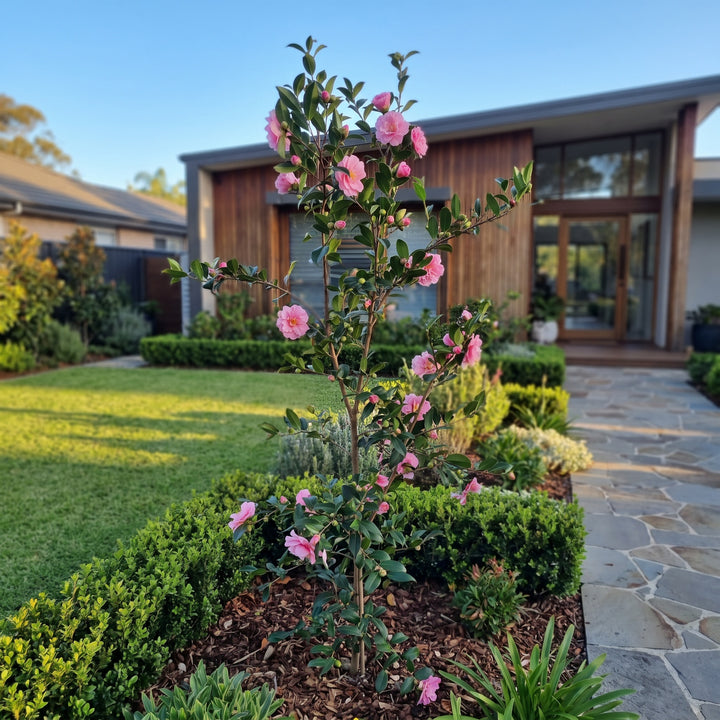
Camellia sasanqua Egao
From $50.95

From $29.95

Camellia japonica William Bull
From $35.95
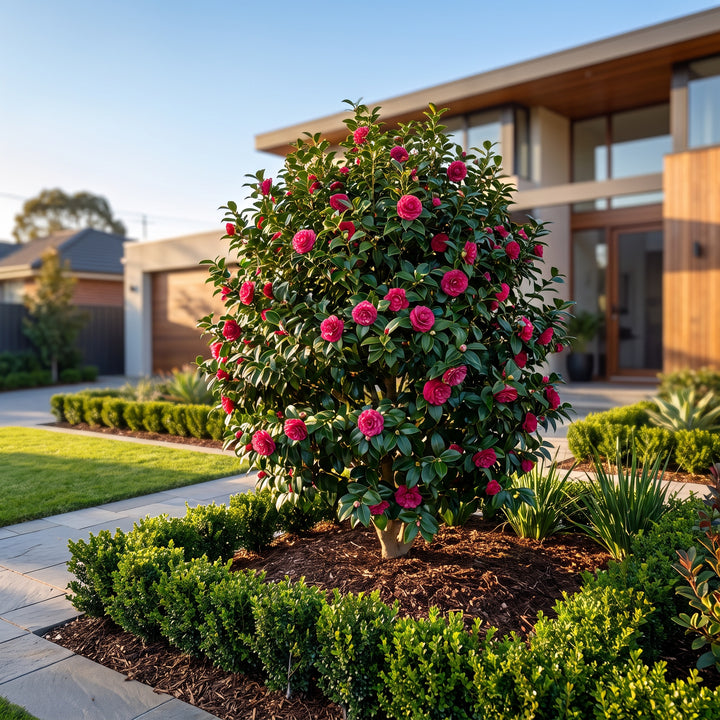
Camellia japonica Something Beautiful
From $16.95

Camellia japonica Silver Waves
From $40.95

Camellia japonica Red Red Rose
From $16.95

Camellia japonica Pope John XXIII
From $31.95

Camellia japonica Pink Gold
From $59.95

Camellia japonica Nuccios Pearl
From $31.95

Camellia japonica Margaret Davis
From $45.95

Camellia japonica Lovelight
From $17.95
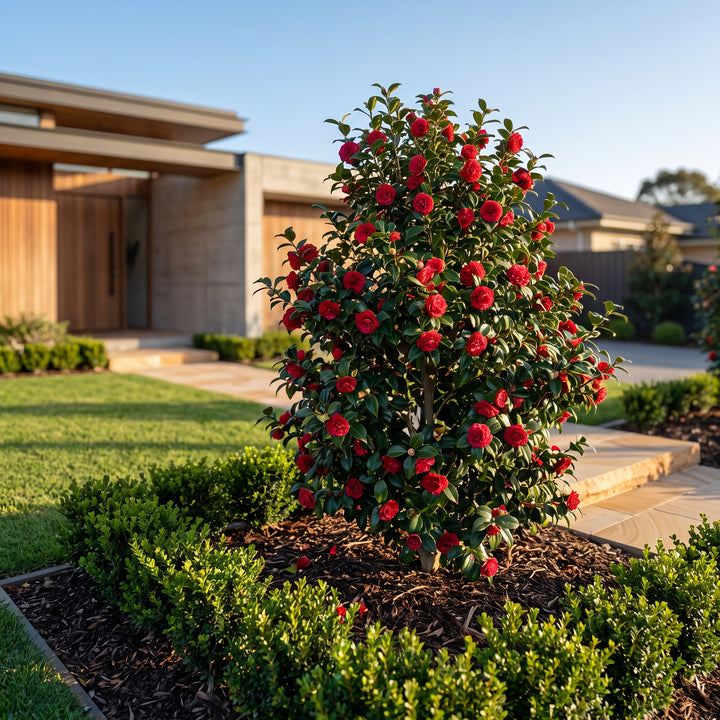
Camellia japonica Little Red Riding Hood
From $16.95
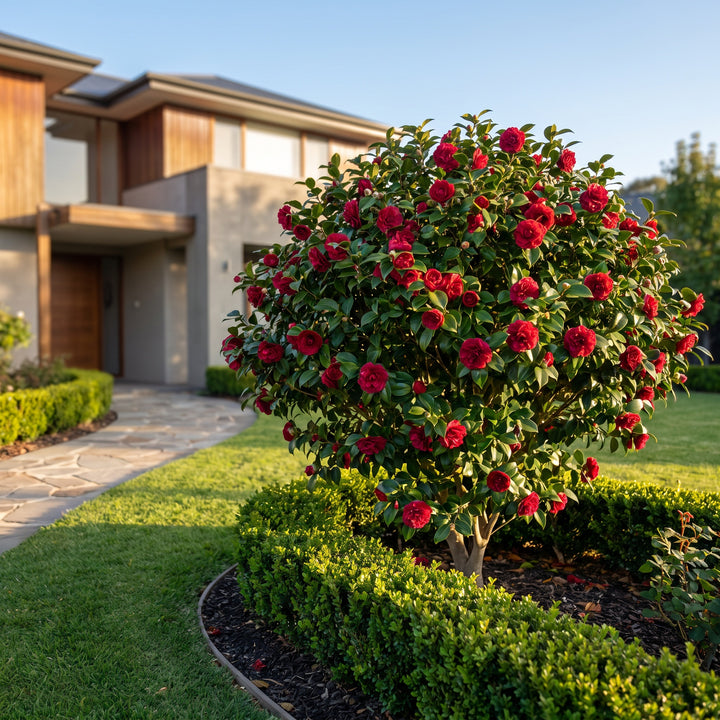
Camellia japonica Kramers Supreme
From $31.95

Camellia japonica Kingyo-tsubaki Fishtail Camellia
From $1,579

Camellia japonica Grace Albritton
From $31.95

Camellia japonica Bob Hope
From $16.95

Camellia japonica Black Magic
From $50.95

Camellia japonica Ardoch
From $38.95

From $29.95

From $29.95

From $45.95

From $29.95
Use this collection to compare plants by size, style, growing conditions, and the result you want to create. Whether you are upgrading a garden, styling a patio, adding privacy, or refreshing an indoor space, choosing from a focused collection makes it easier to find the right fit.
Before ordering, consider light exposure, watering needs, mature size, and where the plant will be positioned. These details help you choose plants that look good now and continue performing over time.
Shopping within a dedicated collection helps you focus on plants that suit a specific use, look, or garden goal. Use the filters and product details to compare options, then choose the plant that best matches your space.