
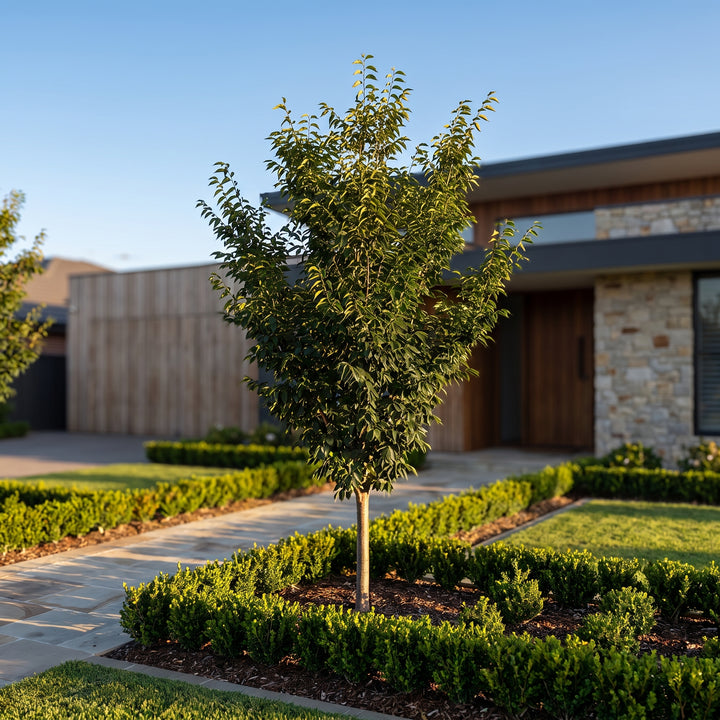
Japanese Elm
Zelkova Green Vase
From $209
Plant collection
Twenty-two elm and zelkova listings, split four ways. Six Chinese elm, Ulmus parvifolia. Six zelkova. Four wych elm, Ulmus glabra, the golden and weeping forms. The last six are old true elms and hybrids: English, American, Dutch, the variegated field elm, Sapporo Autumn Gold and Frontier.
Dutch elm disease never reached Australia. Elm leaf beetle did. Through Victoria, South Australia and inland New South Wales the larvae skeletonise foliage from early summer, and an untreated row looks scorched by February. It seldom kills a settled tree. It removes the reason you planted one. Trunk injection on a set cycle is the answer.
Chinese elm carries far less damage. Zelkova is troubled far less than the true elms, though not immune, so watch summer foliage in beetle country. English Elm is the one the beetle goes after hardest. Sapporo Autumn Gold was bred for disease resistance, not beetle resistance, and gets chewed too.
Seedling parvifolia varies in shape, so a planted row never reads as a row. Todd and Burnley Select were selected in Australia for a consistent upright vase; Inspire, Reflection and Murrays Form do the same work. Take the straight species, Chinese Elm, where matching does not matter.
Surface roots are strong, and a tree set tight to a kerb, path edge or pool surround lifts concrete. In warm districts the leaves hang on late then drop over a short window instead of colouring, so do not buy parvifolia for autumn. Frontier turns burgundy red, holds a central leader well and suckers far less than its field elm parent.
Green Vase is listed twice: a 30L grade titled Japanese Elm, and Zelkova serrata Green Vase, the same selection from bare root to 800L. Musashino is the fastigiate one, limbs steeply upright off a central leader, for a narrow verge or tight driveway with height above to grow into. It broadens with age, so do not space a row tightly. Wireless works the other way, bred low and spreading for planting under powerlines, so it wants room sideways and crown lifting early. Kiwi Sunset was selected for orange autumn tone, since seedling zelkova runs dull yellow to russet.
Nothing here is tubestock. Twenty of the twenty-two start at 300mm or bigger, and 100L is offered on seventeen, the size for an avenue that must match across cultivars. Seven offer bare root, which travels only in winter dormancy and goes straight into prepared ground. Camperdownii is doubled: the plain listing runs 400mm to 200L, the Standard is a single 400L specimen with the weeping head worked onto a finished trunk, and graft height sets your headroom. Golden Elm and both Camperdownii listings sit on a wych elm stem, so rub off any shoot below the graft as it appears or the rootstock takes the tree over.
All want full sun, deep water through the first two summers and late winter pruning. District sorts the rest. Chinese elm runs from Brisbane south. American elm wants temperate to cool districts, and English elm is at home in Victoria, the southern tablelands, the Adelaide Hills and cooler Western Australia. Both colour better where autumn nights are cold. Golden Elm finishes wider than tall and scorches at the margins in hot dry wind and hard inland sun.
English elm, American elm, Dutch elm and the field elm all sucker from cut roots, a lawn chore for the life of the tree. English elm has also gone weedy in cooler southern districts, so keep it clear of paddock edges and bush boundaries, and take a zelkova instead. None of these fits a courtyard, where crepe myrtle does the job. For a narrow boundary line with height above it, Musashino is the one.
Choose from quality plants, compare options quickly, and use the filters to narrow the range by what matters most.
Zelkova Green Vase
From $209

Ulmus americana
From $229

Ulmus parvifolia Murrays Form
From $209

Ulmus parvifolia Inspire
From $60.95

Ulmus parvifolia Burnley Select
From $229

Zelkova serrata Japanese Elm
From $47.95

Zelkova serrata Musashino
From $229
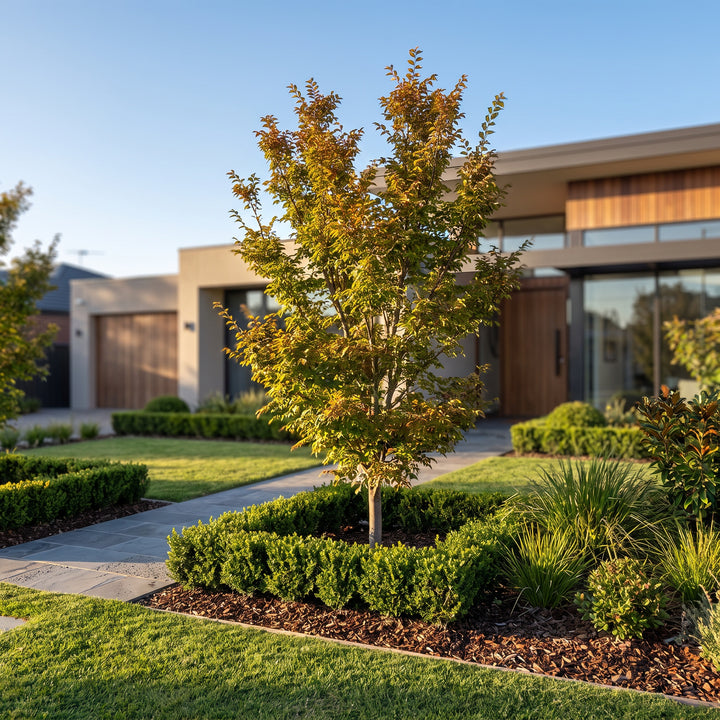
Ulmus parvifolia Reflection
From $249

Ulmus Sapporo Autumn Gold
From $149

Ulmus parvifolia
From $119
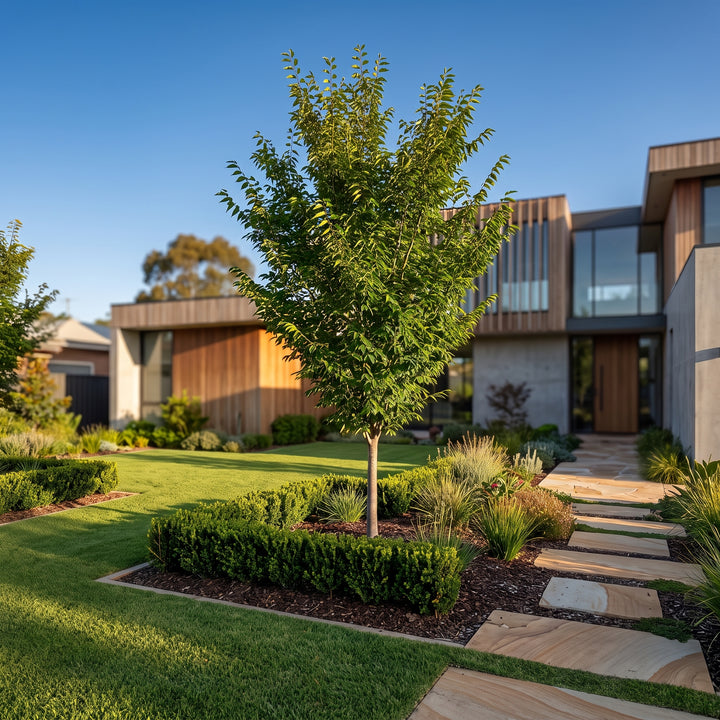
Zelkova serrata Green Vase
From $69.95

Ulmus parvifolia Todd
From $129

Ulmus procera
From $32.95

Zelkova serrata Schmidtlow Wireless
From $239

Zelkova serrata Kiwi Sunset
From $67.95

Ulmus x. hollandica Purpurascens
From $649

Ulmus minor Argenteo-Variegata
From $41.95

Ulmus glabra Pendula Weeping Elm
From $97.95
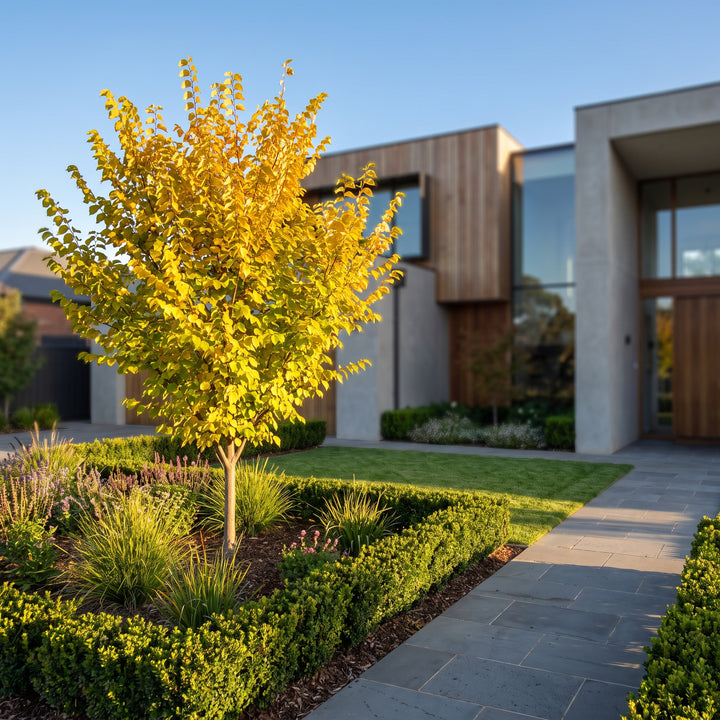
Ulmus glabra Lutescens Golden Elm
From $41.95

Ulmus glabra Camperdownii Standard
From $7,709

Ulmus glabra Camperdownii
From $389

Ulmus carpinifolia x parvifolia Frontier
From $219
Use this collection to compare plants by size, style, growing conditions, and the result you want to create. Whether you are upgrading a garden, styling a patio, adding privacy, or refreshing an indoor space, choosing from a focused collection makes it easier to find the right fit.
Before ordering, consider light exposure, watering needs, mature size, and where the plant will be positioned. These details help you choose plants that look good now and continue performing over time.
Shopping within a dedicated collection helps you focus on plants that suit a specific use, look, or garden goal. Use the filters and product details to compare options, then choose the plant that best matches your space.