
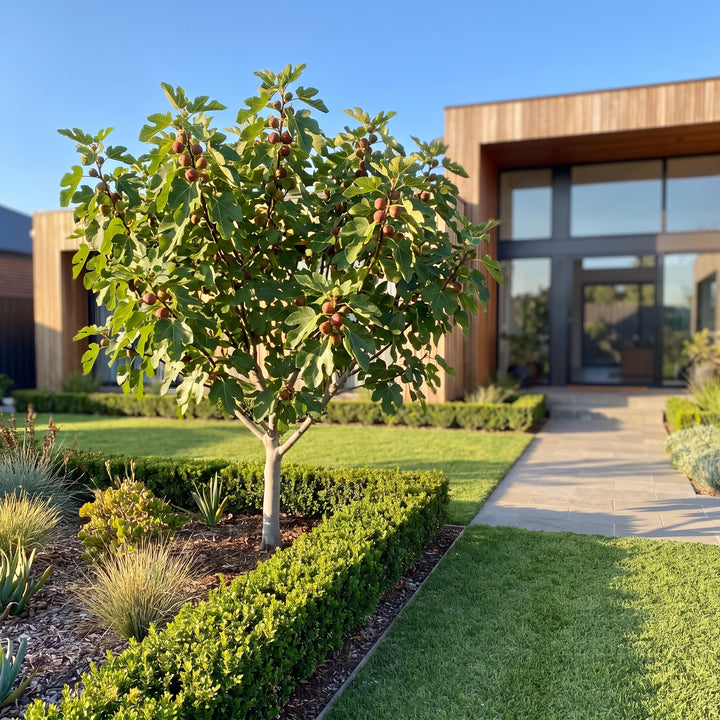
Fig
Preston Prolific Ficus carica
From $29.95
Plant collection
This is the backyard orchard: apples, pears, plums, peaches, figs, persimmons, pomegranates, mulberries and walnuts, grown to be eaten, not looked at. Buy here if you will water through a first summer, prune once a year, and net the tree before the fruit colours. Do not buy here if you want a plant that asks nothing. Deciduous fruit trees stand bare and twiggy for a third of the year, they drop fruit onto paving, and an unpicked crop breeds fruit fly and feeds rats. For a screen or year-round cover, this is the wrong page.
Settle the climate question first. Apples, pears, cherries and the European plums need real winter cold to break dormancy and flower evenly. Orange, Stanthorpe, Ballarat and the Southern Highlands deliver it. Coastal Brisbane does not, and a Pink Lady apple planted there leafs out patchily, flowers over six ragged weeks and sets a thin crop, then spends a humid February shedding leaves to scab. Warm gardens want figs, feijoa, persimmon and low-chill peaches instead. The Brown Turkey fig is the least demanding of them and takes a hot brick wall without complaint. A Nashi pear sits in between, asking less chill than a Packham but still wanting a proper cold snap.
Pollination catches people out more than anything except drainage. Apples and pears crop properly when a second compatible variety flowers at the same time within bee range, which on a suburban block means your garden or the neighbour's. A crabapple flowers over a long window and pollinates most apple varieties, given a cold enough winter. The Japanese plums, the Satsuma Dwarf plum among them, want a partner from their own group. European plums are more forgiving. Peaches, figs, pomegranates and persimmons carry on alone, so take your single tree from that list if room is tight.
The range covers 140mm and 200mm pots, 250mm, 300mm and 400mm, then 45L, 90L, 100L and 200L, with a few lines reaching 1000L and a few sold bare root. Across the whole collection, 300mm and 400mm are the two commonest grades. Read those millimetres properly, because volume climbs cubically: a 300mm pot holds about fifteen litres of mix, a 400mm about thirty-five. A 300mm tree is no starter. It arrives with a framework of branches and a season of head start. Anything at 100L and over is a two-person lift and wants its hole dug before it arrives. A 250mm apple in a well made hole catches a neglected 100L tree inside three years.
Drainage, first. On the basalt clay through Melbourne's west, or the yellow clay under much of Sydney's north-west, a neat round hole is a sump. It fills, the roots sit in cold water through winter, and the tree dies in the first hot week of November. Plant on a raised mound and spread the roots sideways rather than down. Perth sand is the opposite trouble, so work compost through the top layer, mulch coarse and thick, and water shorter and more often. Keep the graft union clear of soil and mulch.
Then the pests. Queensland fruit fly works the eastern seaboard and Medfly the south-west, so bait early, bag or net the fruit, and clear windfalls twice a week. Netting has a legal side too: in Victoria, household fruit netting must be 5mm mesh or finer at full stretch, so flying foxes and birds cannot be caught in it. Codling moth is the cool-district nuisance in apples and pears, beaten by banding trunks and cleaning up fruit rather than by spraying in a hurry.
Two branches of the orchard have pages of their own: citrus and olives, which cover the evergreen, low-chill end. For blossom without a crop to sweep up, look at the ornamental and fruiting pears.
Choose from quality plants, compare options quickly, and use the filters to narrow the range by what matters most.
Preston Prolific Ficus carica
From $29.95

Citrus reticulata
From $68.95

Citrus limon
From $17.95

Citrus sinensis
From $76.95

Olea europaea
From $16.95
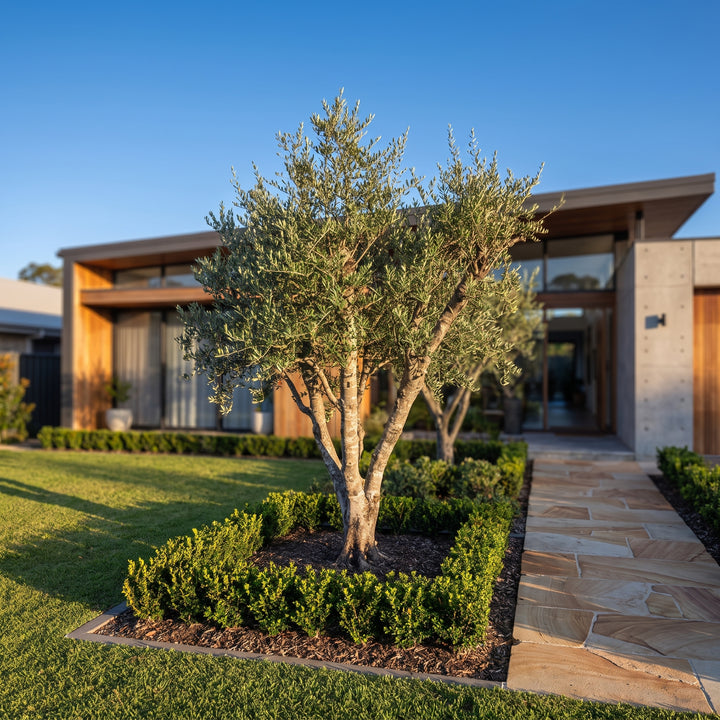
Olea europaea Frantoio
From $18.95

Olea europaea Tolleys Upright
From $26.95

Morus alba pendula Weeping Mulberry Standards
From $309

Malus Royal Raindrops Crab Apple
From $69.95
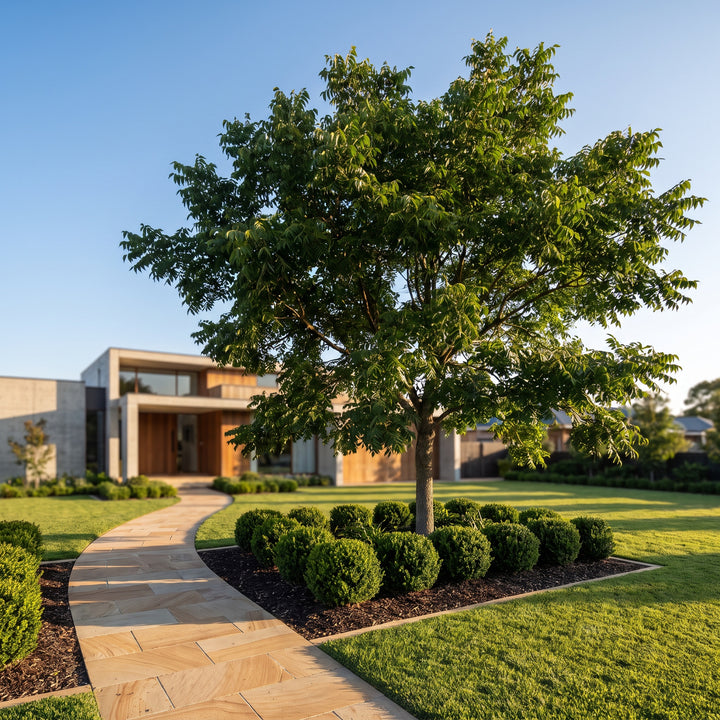
Carya illinoinensis
From $7,709
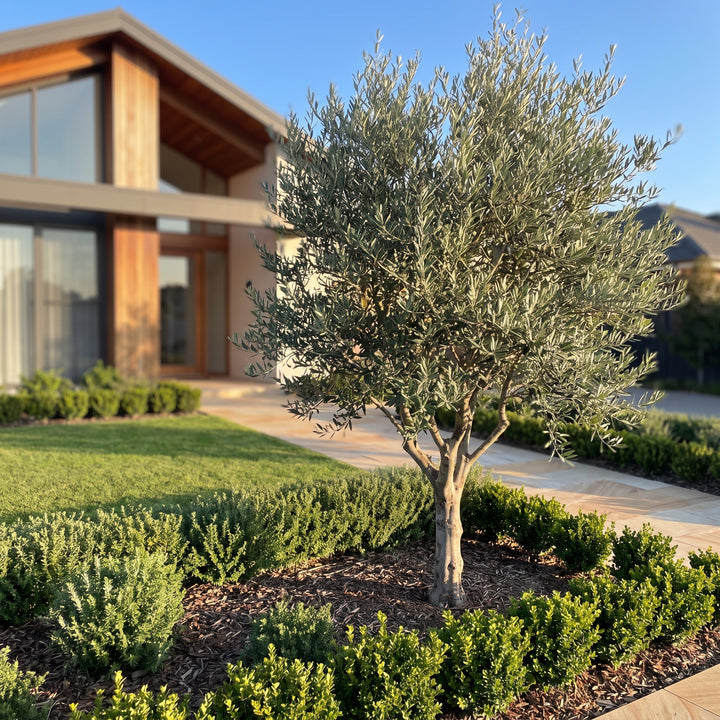
Olea europaea Correggiola
From $17.95

Malus tschonoskii
From $99.95

Citrus x. microcarpa
From $57.95

Castanea sativa
From $279
Use this collection to compare plants by size, style, growing conditions, and the result you want to create. Whether you are upgrading a garden, styling a patio, adding privacy, or refreshing an indoor space, choosing from a focused collection makes it easier to find the right fit.
Before ordering, consider light exposure, watering needs, mature size, and where the plant will be positioned. These details help you choose plants that look good now and continue performing over time.
Shopping within a dedicated collection helps you focus on plants that suit a specific use, look, or garden goal. Use the filters and product details to compare options, then choose the plant that best matches your space.