

Tahitian Lime
Citrus latifolia
From $43.95
Plant collection
Thirty-nine listings sit on this page, and they are not spread evenly across the fruit bowl. Ten carry Mandarin in the name, three carry Lemon. Worth knowing before you scroll, because the lemon choice is short and made quickly, while the mandarin end asks you to pick a season first. Two of those ten are Ellendale, technically a tangor rather than a true mandarin.
Three pummelos are listed, K13 and Carters Red among them, and a pummelo is a different proposition to a grapefruit: thick spongy pith, firm segments that pull apart dry, mild and sweet where a grapefruit is sharp. Warmth decides it. Fruit off a cool coastal site comes in coarse and dull. Yuzu is the opposite case, handling frost that would ruin a lemon, which puts it within reach of a Canberra garden or the Adelaide Hills, though it is slow into bearing and the thorns are long and rigid. Calamondin earns its keep as an ornamental first, carrying flower and fruit at the same time for much of the year, and it clips into a ball or a standard without sulking.
Tahitian Lime, Kaffir Lime, Imperial and Ellendale mandarin, Washington Navel and Maltese Blood orange each carry two listings. Grafted in the title is not a clean divider, because the plain Tahitian Lime page says its trees are grafted too and tells you to rub off any shoot below the graft union. What the grafted listings claim for themselves is a rootstock picked for vigour and soil tolerance, and fruit sooner than a seedling would give it. The size ladders differ as well. The plain Ellendale runs from a 165mm pot up to 300L. The grafted Ellendale is a 500mm and nothing else. Open both before you commit.
Two systems share these selectors: pot diameters in millimetres, and bags in litres. Read the millimetres as volume, since it climbs cubically. A 300mm pot holds about fifteen litres of mix, a 400mm about thirty-five, a 500mm close to seventy. That puts a 5L bag near a 200mm pot and a 10L near a 265mm. The middle of the range is where the choice actually lives: 200mm, 250mm, 300mm, 400mm and 500mm each turn up on a dozen listings or more, with a 5L on thirteen and a 10L on nine. The small end is better stocked than the grid suggests, since eleven of the thirty-nine open at a pot under 200mm.
Seven listings open at 100L with nothing under it, and they tend to be the uncommon varieties. Seville Orange, the marmalade orange rather than an eating one, comes in that single grade. So does Thorny Mandarin. Fifteen listings carry a 100L somewhere on the selector. Watered, that bag is a two-person lift, and the hole wants digging before the truck turns up.
Grapefruit needs a long hot season to build sugar. Marsh Grapefruit performs through Queensland, inland New South Wales and the Riverland, and gives thick skinned sour fruit in cool districts. Ray Ruby is the same story with red flesh that colours poorly where summers are short. Gloves matter more than buyers expect, too: Thorny Mandarin is armed with fine spines through the canopy, Kaffir Lime carries genuinely nasty thorns, and Lisbon Lemon puts vicious ones on young vigorous wood. Keep all three well back from a path or a washing line. And one plant on this grid is not a citrus at all. Satsuma Dwarf is a Japanese plum, not self fertile, and it wants another Japanese plum flowering within bee range, so it belongs with the fruit trees.
Feeding, collar rot, gall wasp and the way a potted citrus declines in its third year are all covered in growing citrus in Australian gardens and pots.
Choose from quality plants, compare options quickly, and use the filters to narrow the range by what matters most.
Citrus latifolia
From $43.95

Citrus limon
From $29.95

Citrus maxima
From $88.95

Citrus hystrix
From $16.95

Citrus limon Eureka
From $68.95

Citrus reticulata
From $68.95

Citrus limon
From $17.95

Citrus sinensis
From $76.95

Satsuma Dwarf Prunus salicina (Prunus domestica)
From $76.95

Citrus junos
From $71.95
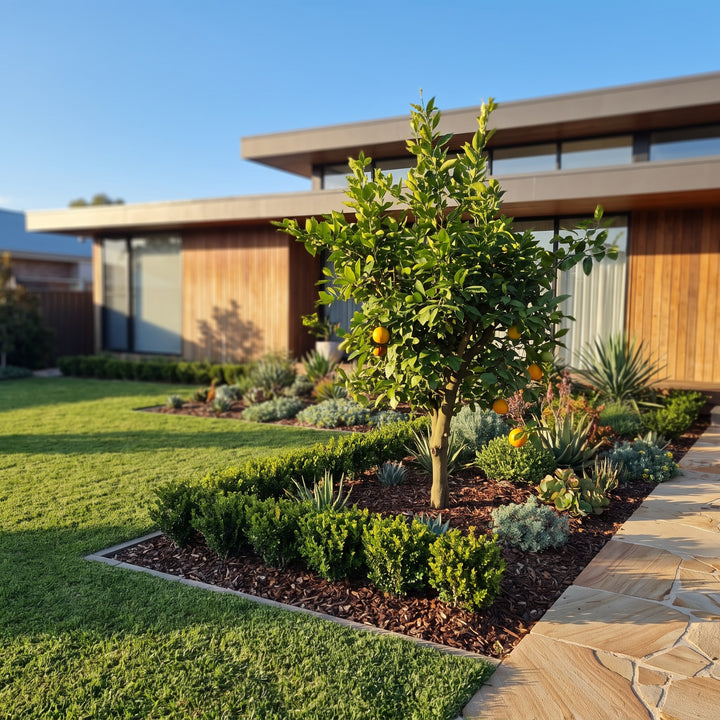
Citrus x tangelo
From $57.95

Citrus aurantifolia
From $30.95

Citrus maxima
From $319
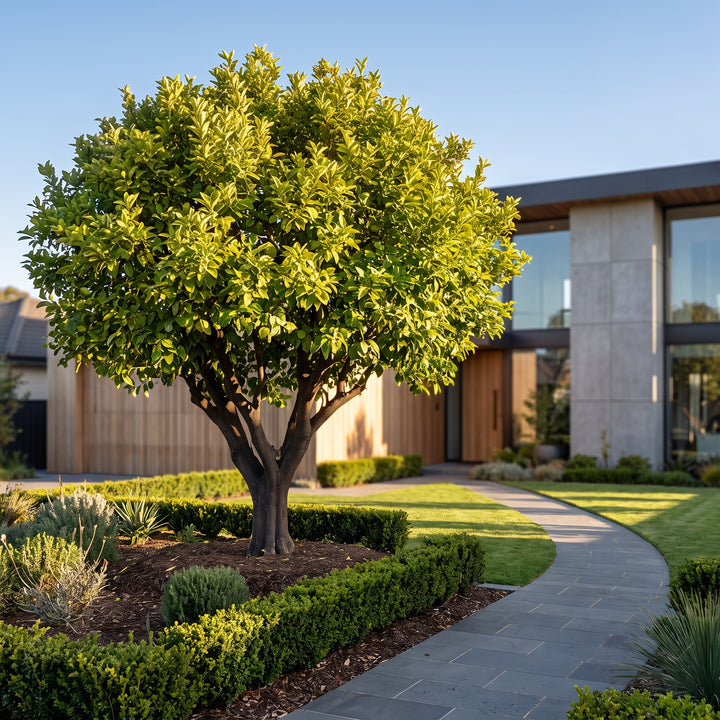
Citrus maxima
From $649

Citrus sinensis Grafted
From $43.95

Citrus sinensis
From $52.95

Citrus aurantium Grafted
From $1,439

Citrus sinensis Grafted
From $46.95

Citrus sinensis Grafted
From $46.95

Citrus sinensis
From $65.95

Citrus deliciosa
From $1,439

Citrus reticulata Grafted
From $46.95

Citrus reticulata
From $319

Citrus reticulata Grafted
From $1,439
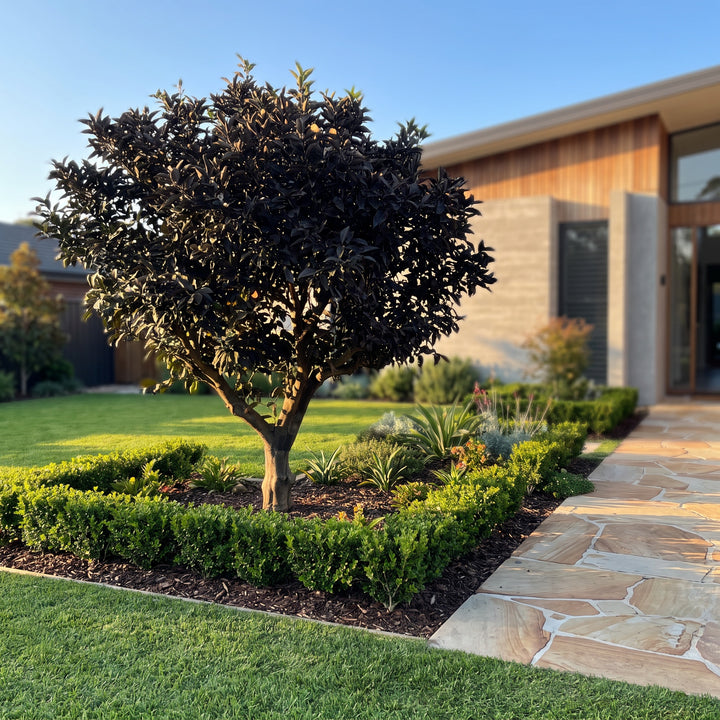
Citrus reticulata Grafted
From $1,439

Citrus reticulata
From $65.95

Citrus reticulata Grafted
From $319

Citrus reticulata
From $52.95

Citrus reticulata
From $6,169

Citrus latifolia Grafted
From $57.95

Citrus x. limonia Grafted
From $1,439

Citrus hystrix Grafted
From $48.95

Citrus aurantifolia Grafted
From $1,439

Citrus limon
From $17.95

Citrus paradisi
From $88.95

Citrus paradisi
From $90.95
Use this collection to compare plants by size, style, growing conditions, and the result you want to create. Whether you are upgrading a garden, styling a patio, adding privacy, or refreshing an indoor space, choosing from a focused collection makes it easier to find the right fit.
Before ordering, consider light exposure, watering needs, mature size, and where the plant will be positioned. These details help you choose plants that look good now and continue performing over time.
Shopping within a dedicated collection helps you focus on plants that suit a specific use, look, or garden goal. Use the filters and product details to compare options, then choose the plant that best matches your space.